Arthur Nasey / Rolls-Royce 20/25
From the showroom window to the workshop.
A childhood fascination in Huddersfield. An ash frame built by hand. A Rolls-Royce taking shape, one detail at a time.
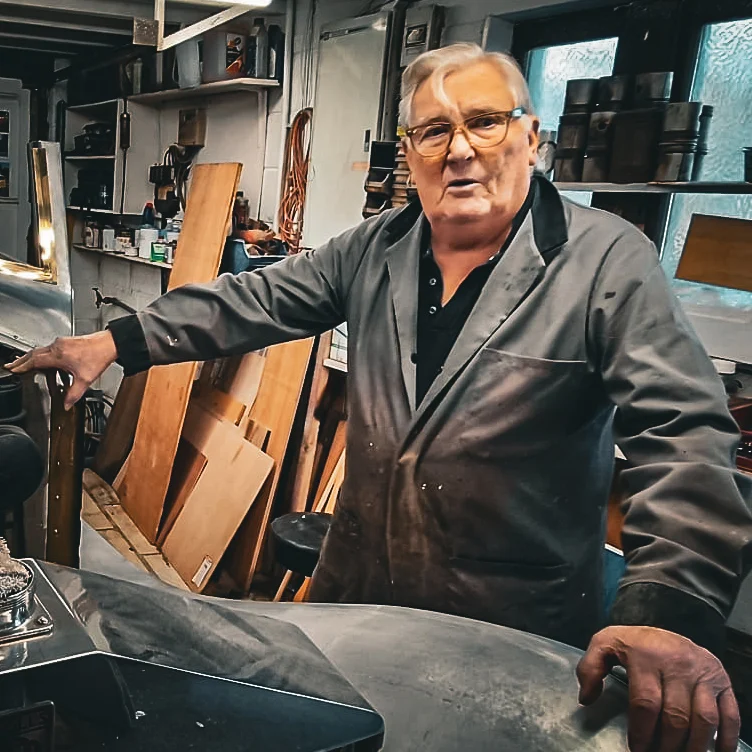
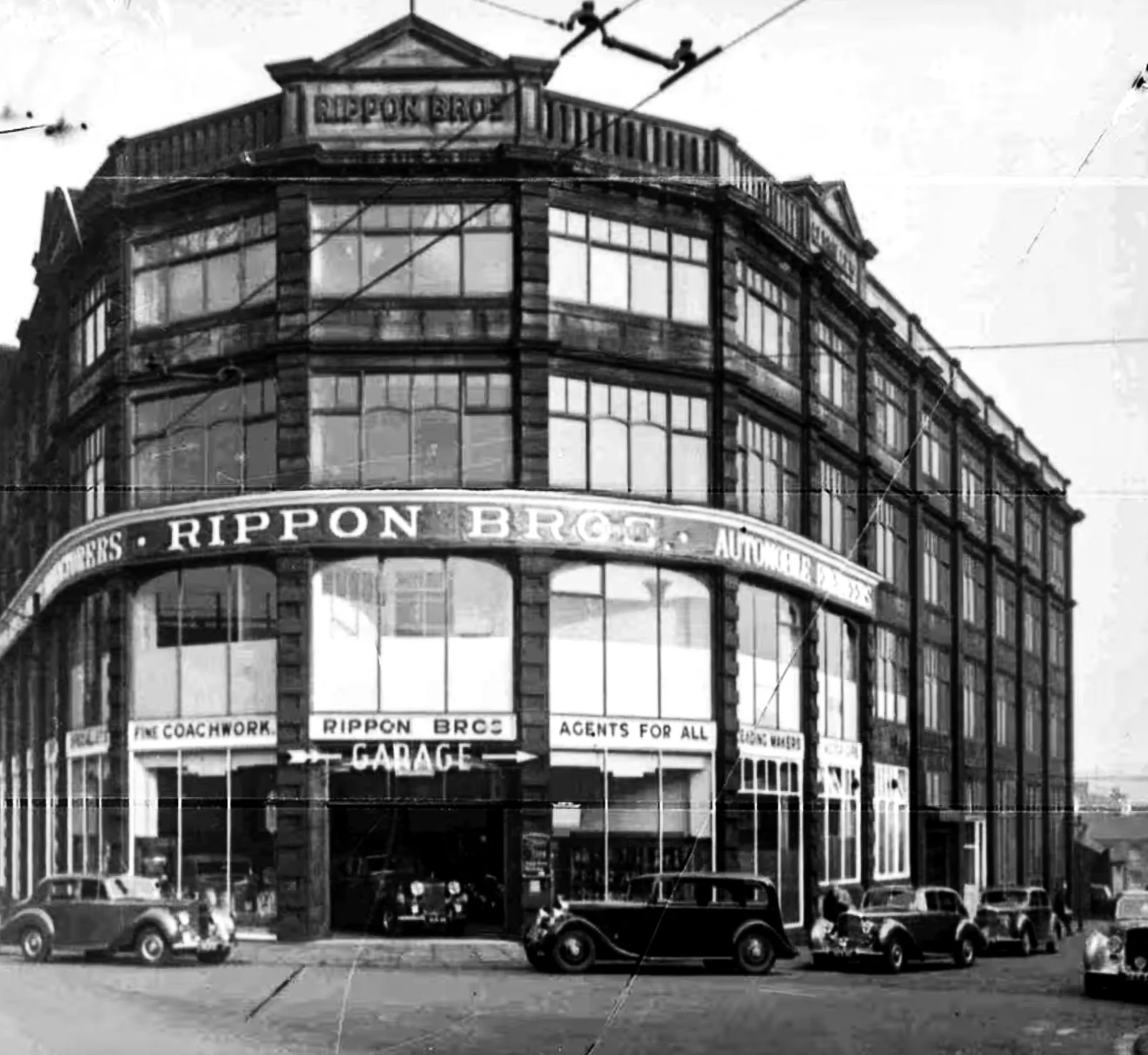
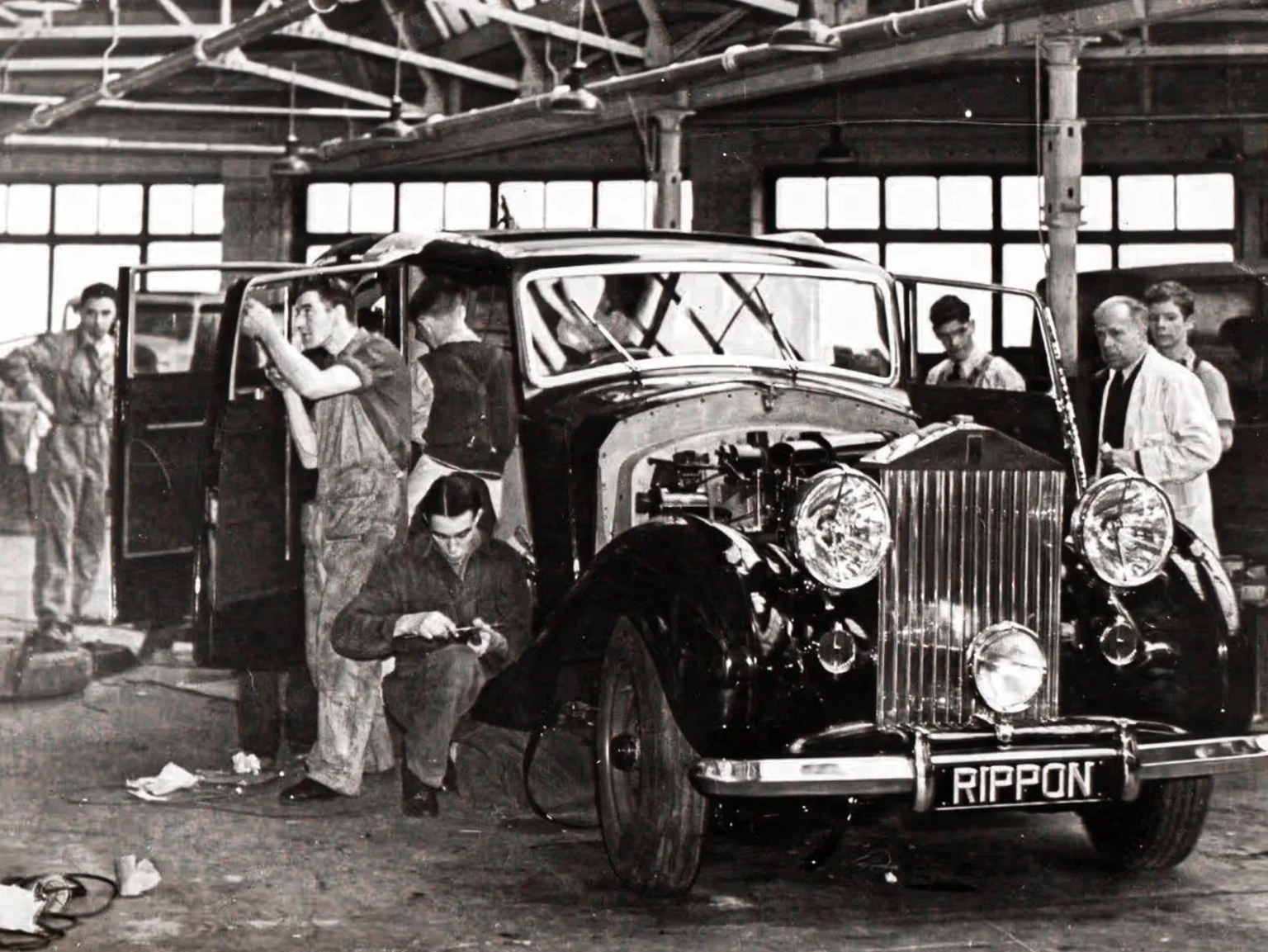
As a child, Arthur would stop outside Rippon Brothers in Huddersfield on trips to the Monday Market with his mother. Through the showroom windows, he admired the Rolls-Royces. At 19, he went back and stepped inside.
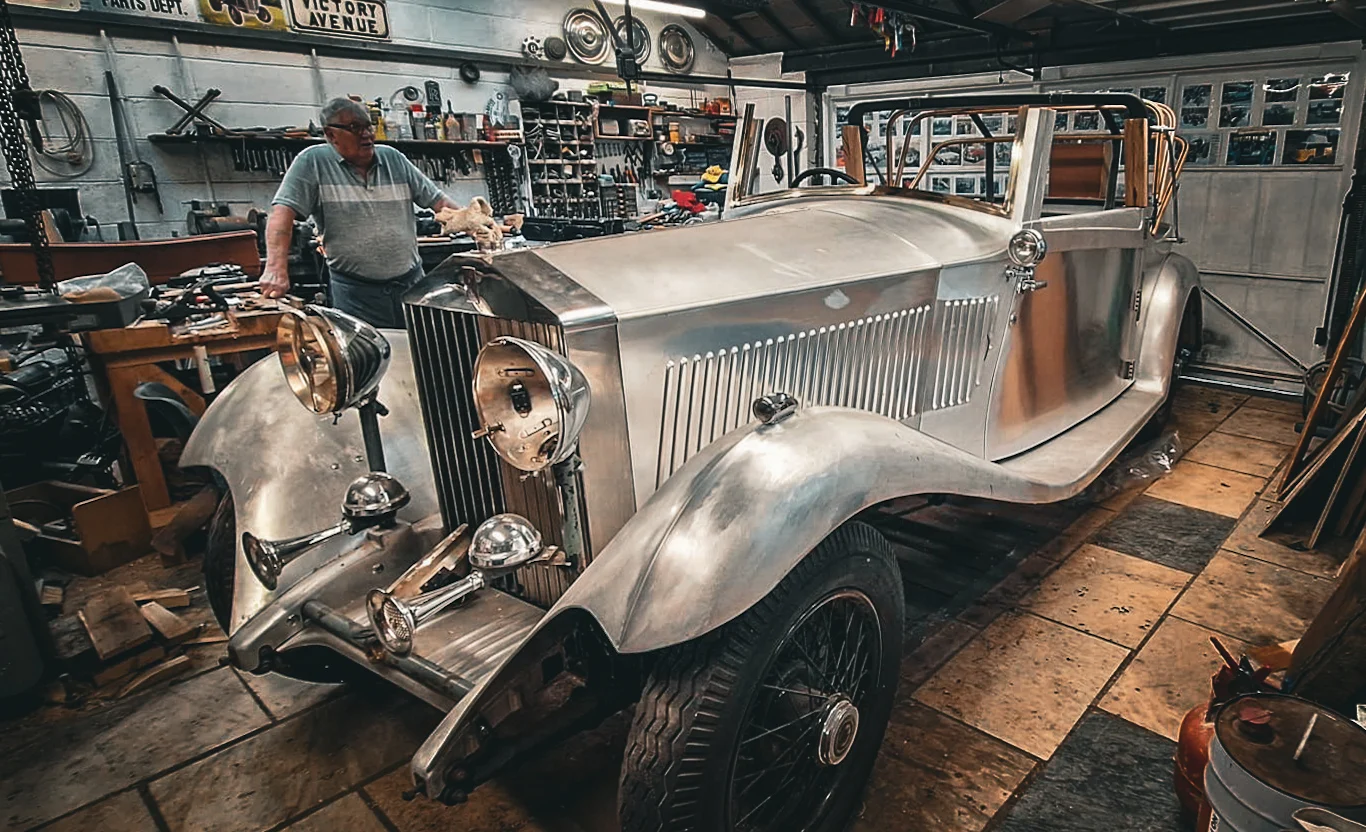
That fascination has stayed with him through several restorations. His current Rolls-Royce 20/25 has involved painstaking work on the body’s ash frame, hundreds of reference photographs and handmade patterns for missing parts.
We visited his workshop to talk about the work, the setbacks and what he is looking forward to when the car returns to the road.
How did your interest in Rolls-Royce begin?
From licking at the windows, stood outside Rippon Brothers in Huddersfield when I was a child. My mother used to take me to the Monday Market and we’d always go past that way.
And then when I was 19, I went back to Rippon Brothers. I was going to ask them, because it was a hell of a posh place, if they ever got any bangers — any restoration projects, you know. The guy was there with this pinstripe suit on. I was totally fish out of water.
He was very nice. He says, “Actually, we don’t, no. But I could put you on to somebody. It’d be ideal for what you’re looking for.”
Which part of the restoration has been the most challenging?
Certain parts of building the body — the ash frame. Not having one to look at as a reference. We trailed about all over the place.
We went to a place called The Real Car Company. They had one in, you see. They knew about me because I’d spoken to them before about things. They said, “Yes, come down, it’s all right.”
So we both went down there with some big pieces of paper to make some patterns, like the rake of the windscreen and all sorts of things. Then we did a massive measuring job.
That’s all we had to work on, plus hundreds of photographs. They’ve been there all along as a reminder of what I’m building.
How did you replace the missing door handles?
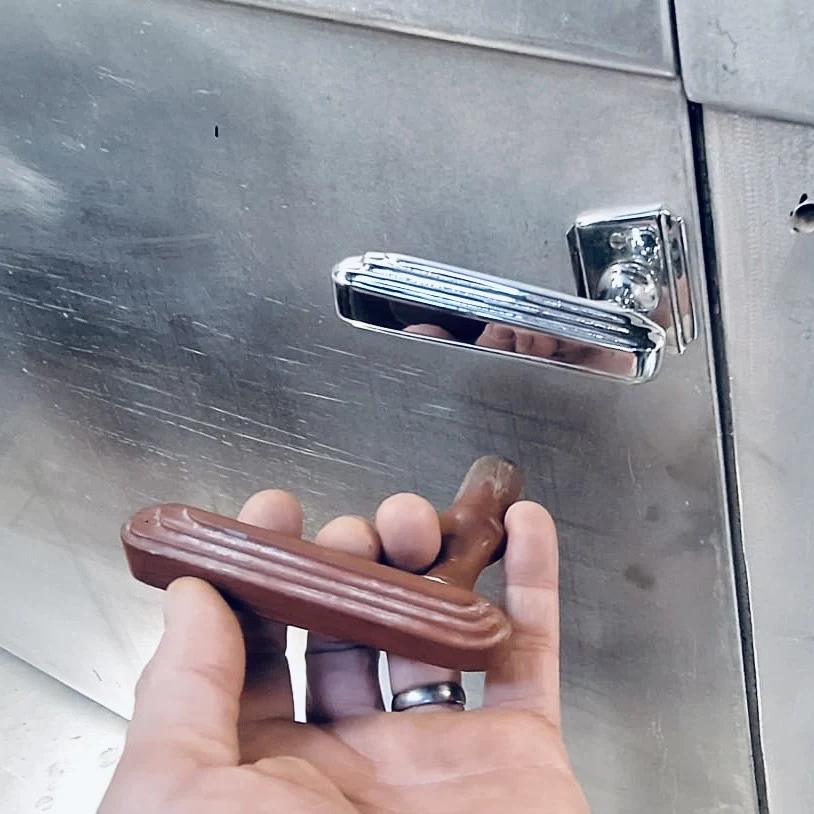
Because I bought this without any, I borrowed someone’s original handle and then made these moulds from wood to use to get some cast. I took a drawing of one when we went to The Real Car Company.
How do you approach building the body and restoring the chassis?
I like to build the body first. I take the body off, do the chassis and put the body back. If you do the chassis first, then it’s all lovely, mint and shiny. Then you decide to build the body on it and you fill it with sawdust and everything else.
I’ve done this one the wrong way round. Time has gone by. I’ve lost my mate who was helping me, and everything. So it’s all behind schedule. I don’t know how many years I’ve been on it now. It’s been that long.
“The look of it! Just the look of it from one end to the other. Everything. All of it.”
What is the next big stage?
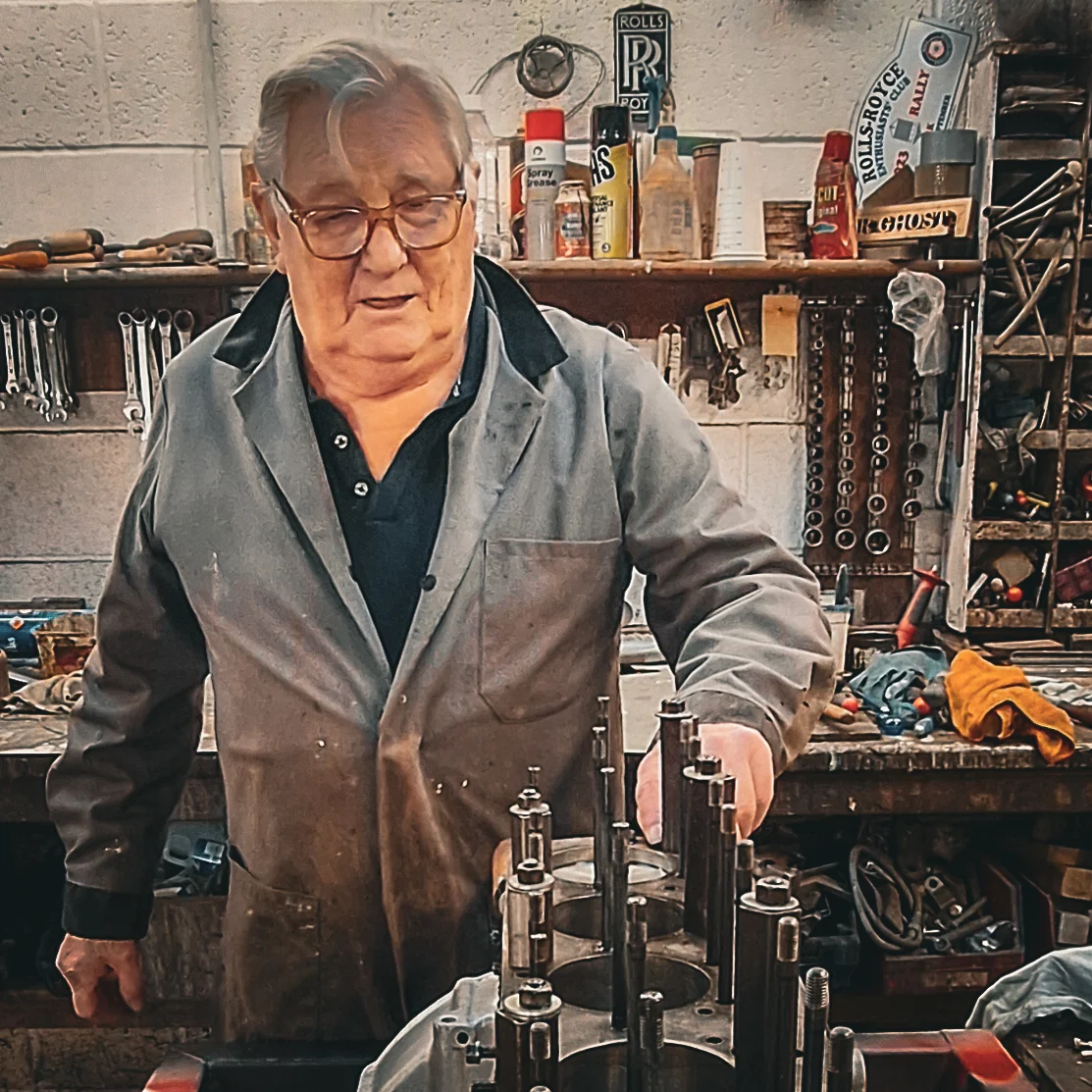
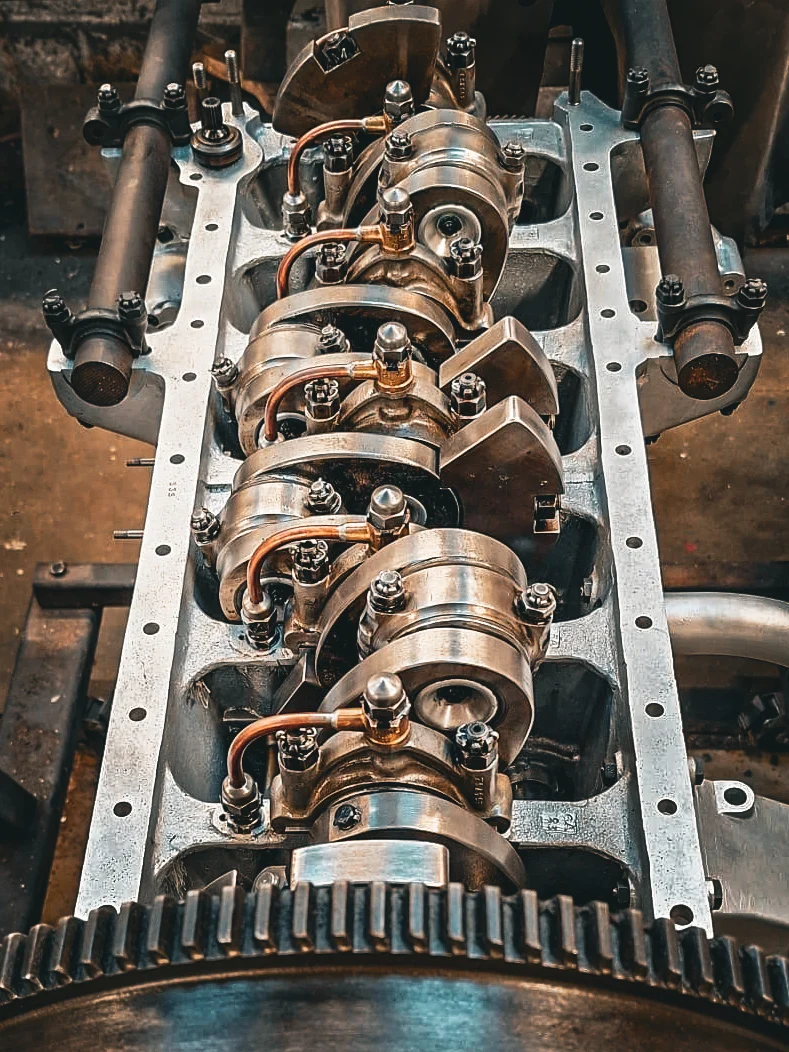
I’m basically now just stripping it all down and it’s good to go. When the cylinder head comes back, my next job really is to finish putting that engine together.
Once the head goes on and is bolted down, you can then set the crankshaft vibration damper. That’s to go on next. That’s come back from reconditioning.
That’s something I don’t like doing myself. It’s very accurate work — springs, tension, checking the tension on springs. It’s best left to them, the professionals. They know exactly what they’re doing. They’ve done it loads of times before.
How big a job was removing the engine?
It’s straightforward, very straightforward for an engine of that time. But, of course, you’ve got to know what that time was.
What sort of shape was the radiator in?
Quite honestly, it was in excellent shape. There were no leaks at all. The guy had got the engine running, and it was running fine. The radiator was full of water with no leaks.
The man I know who reconditions them has got now where he can’t lift them. They’re very heavy. Unbelievably heavy.
How many miles has it done?
About 88,000. For its age, it’s not a lot at all.
We’ve vapour blasted your oil filler pipe and inlet manifold, blasted the rocker cover ready for paint, and ceramic coated the exhaust manifold. How happy are you with the results?
Very. And if that ceramic coating works, I’ll be delighted!
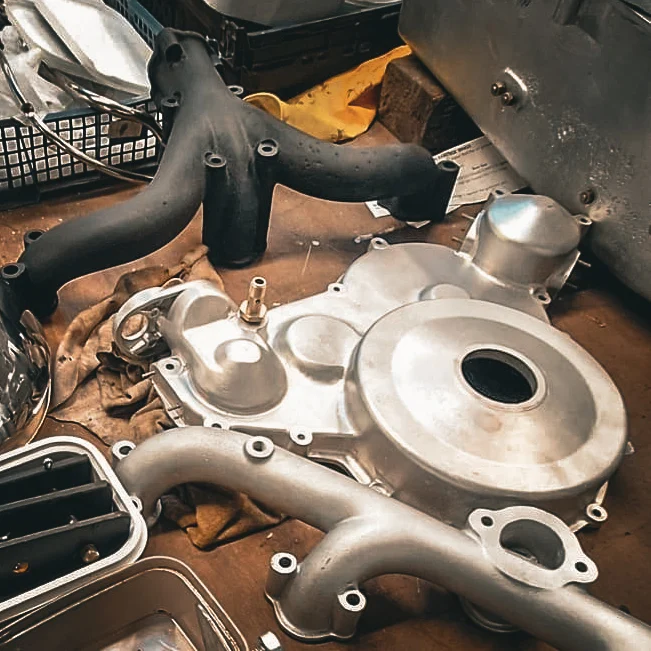
Our contribution to Arthur’s project brings together vapour blasting, dry blasting and high-temperature ceramic coating. With the parts back in his workshop, we look forward to seeing them come together as the restoration progresses.
What are you hoping to do once it’s finished?
Have some fun with it!
Will it be a daily driver?
No, it won’t be a daily driver. It’ll be the annual rally and local events as well. We’ve been to the Honley Show. We always go to the annual. And the northern section of the car club at Harewood — they have a big Rolls and Bentleys event there. We usually go to that.
Does anyone else in the family drive it?
There’s nobody in my family ever driven one. There’s only me. They’re interested in old cars and all that, but they just don’t want to try and drive it.
When they see me driving it, doing all what you have to do and double-declutching — it’s hard work. It certainly is.
What are the brakes like?
The brakes are better than the average car of this age. It’s got cable brakes, but it’s got a brake servo, a mechanical servo. That’s attached to the side of the gearbox, and that helps.
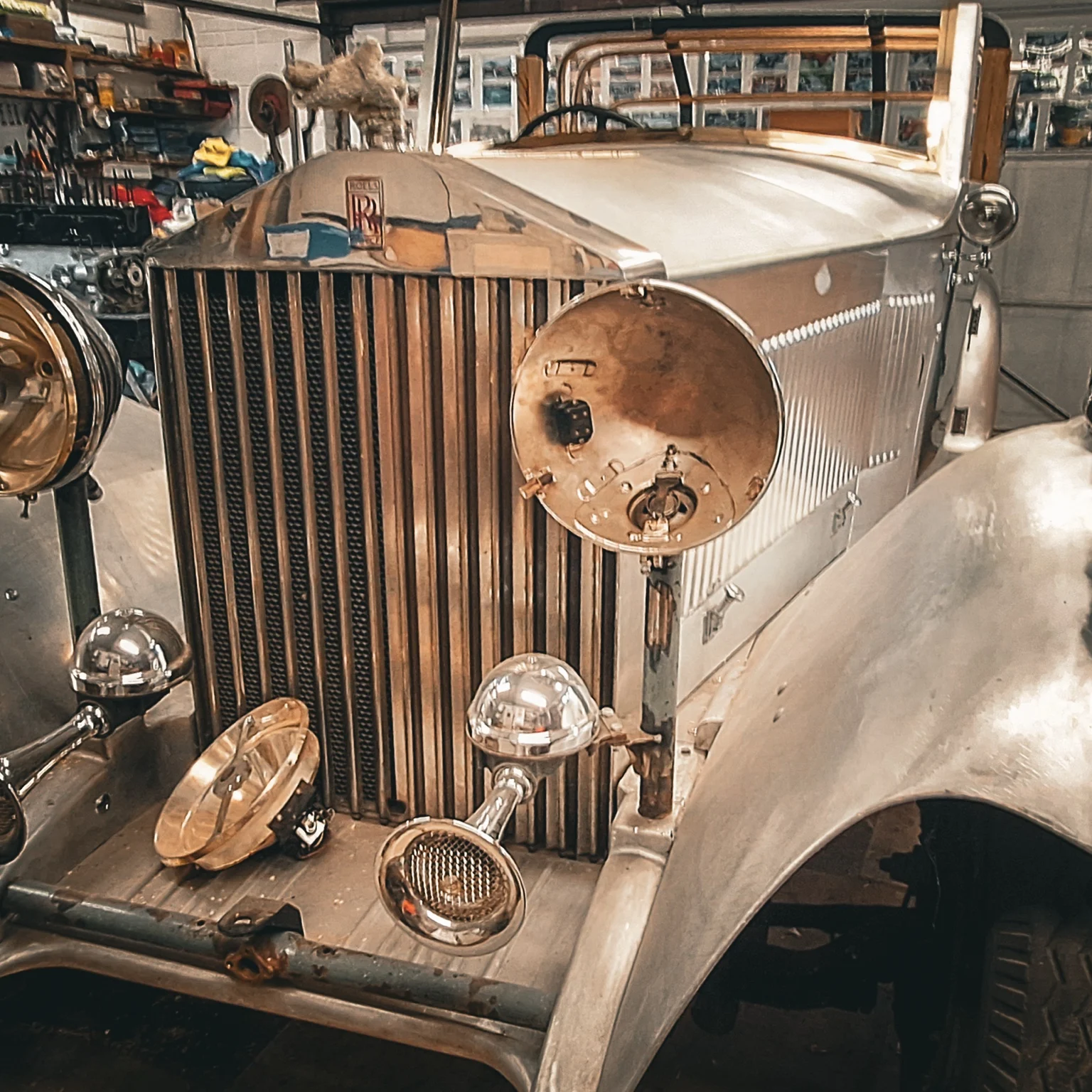
You must be looking forward to getting it back on the road?
Oh, flipping heck, yeah, I can’t wait. But finances as well, you see. It’s big bucks. I’ve recently sold the green one and I lost thousands. They’ve dropped in price so much — pre-war cars especially.
“Once it’s finished? Have some fun with it!”
From looking through a Huddersfield showroom window to shaping a car in his own workshop, Arthur’s fascination has endured. We’re pleased to have played a small part in bringing his Rolls-Royce 20/25 closer to its next outing.
Selected answers edited for length and clarity. Archive imagery accompanies Arthur’s recollections of Rippon Brothers.